
Z
Zeager Bros Inc
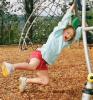
Zeager playground surfaces came about initially because of the wasted wood by-products in their sawmill. They began to manufacture landscaping mulch in the 1970s, and engineered wood fiber for playgrounds in the mid-1980s. Zeager offers a range of surfacing products including engineered wood fiber, mats, interlocking tiles, and artificial grass.
Zone of Proximal Development

The zone of proximal development is a concept developed by social cognitive theorist and psychologist Lev Vygotsky. The zone of proximal development is the area where the child cannot solve a problem alone, but can solve it successfully under the guidance or collaboration with an adult or more advanced peer.
Zoos

Zoos have long been a recreational attraction for children. Originally described as park-like places where animals were kept in cages or large enclosures for public exhibition, they were known as zoological gardens or menageries. Today's zoos offer a wide range of design from the small city parks that have animals in cages to large safari parks that allow the animals to roam in more realistic natural settings.
